
Understanding the psychology behind gambling what drives the thrill
The Allure of Risk
The thrill of gambling often stems from the inherent risk involved in placing bets. This uncertainty triggers a rush of adrenaline, which can be addictive for many individuals. When exploring options, players may discover aus online pokies among their choices. The brain’s reward system is activated when a player experiences the highs and lows of gambling, releasing chemicals like dopamine that create feelings of pleasure. This biological response is a key factor driving the desire to gamble, as each win reinforces the behavior, making players eager to chase that feeling again.
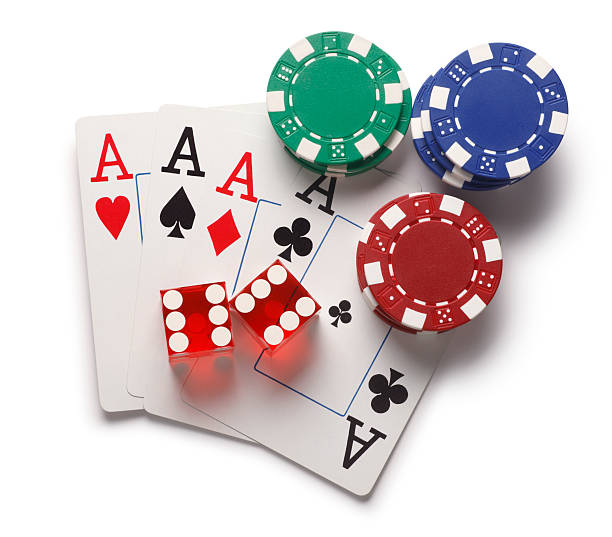
Moreover, risk-taking can provide an escape from everyday life. For some, the excitement of potentially winning big can overshadow the reality of losing money. This creates a paradox where the thrill of gambling becomes a coping mechanism, as it allows individuals to feel a sense of control and excitement amid life’s uncertainties.
The Role of Cognitive Biases
Cognitive biases play a significant role in how gamblers perceive their chances of winning. Many players fall victim to the illusion of control, believing that their skills or strategies can influence the outcomes of games that are fundamentally based on luck. This misperception can lead to reckless betting behaviors and a false sense of invincibility.
Another common bias is the gambler’s fallacy, where individuals mistakenly believe that past events can influence future outcomes. For example, someone might think that after a series of losses, a win is “due.” This kind of thinking can perpetuate gambling habits, as players convince themselves that their next bet will be the lucky one, further entrenching them in the cycle of gambling.
The Social Aspect of Gambling
Gambling is often a social activity that provides a sense of belonging and community. Many people enjoy the camaraderie found in casinos or online gaming platforms, where they can connect with others who share similar interests. This social dimension enhances the overall experience and can drive individuals to gamble more often, motivated by the desire to engage with friends or meet new people.
The social aspect can also amplify the thrill of winning. Celebrating victories with others can create a shared euphoric experience, making wins feel more significant. Consequently, the social connections formed through gambling can reinforce the behavior, making it difficult for some individuals to step away from the activity.
The Impact of Marketing and Environment
Marketing tactics and the environment in which gambling takes place greatly influence players’ psychology. Casinos and online platforms employ various strategies to create an atmosphere of excitement and urgency. Bright lights, engaging sounds, and enticing promotions are designed to capture attention and keep players engaged.
This immersive environment can heighten the thrill of gambling, making it more difficult for individuals to recognize when they should stop. As players become engrossed in the experience, they may overlook warning signs of problem gambling, further exacerbating the potential for addiction and financial consequences.

Your Guide to Responsible Gambling
Understanding the psychology behind gambling can empower players to make informed decisions about their gambling habits. It’s crucial to recognize the signs of addiction and seek help if gambling starts to interfere with daily life. Responsible gambling practices, such as setting limits and taking breaks, can enhance the enjoyment of gaming while minimizing risks.
For those looking to explore safe and engaging online gambling experiences, resources are available to guide players toward reputable sites. By being informed and aware of the psychological factors at play, individuals can enjoy the thrill of gambling responsibly and safely.